
These Children Are Still Dying
of Thirst in 2025 —
And You Can Save Them
Today
In the middle of the 21st century, 400 million Africans walk for hours every day to fetch contaminated water that kills. One well costs €3,500. A child’s life is worth no less. What you are about to read will change how you see the world — and perhaps save a life.
Amina is 7 years old. Every morning at 4:30 a.m., before school, she walks 3 kilometers in the Sahel’s darkness to fill a yellow jerrycan at the village pond. That water is brown. It smells bad. It kills. And yet, it’s the only water she has.
Editorial proposals for this post
The Truth No One Wants to Hear
We are in 2026. Humans have sent probes to the edge of the solar system. We have self-driving cars and artificial intelligence that composes music. And yet, less than six hours by plane from Paris, more than 400 million people still lack access to clean water.
This is not an abstract statistic. It is the daily reality for entire families in Niger, Chad, Cameroon, Mali, and the Central African Republic. Women who lose half their productive day looking for water. Children who fall sick every week from entirely preventable diseases. Infants dying from diarrhea — a disease we eliminated in Europe a century ago.

The World Health Organization is clear: about 1,000 children under 5 die every day from diseases linked to unsafe water, poor sanitation, and lack of hygiene. That is more deaths than malaria and HIV/AIDS combined in that age group.
A Day in the Life of Amina
To understand what it means to live without clean water, you have to get up at 4:30 a.m. in a village in Niger.
Amina, 7 years old, is the eldest of five children. Her father is a farmer. Her mother runs a small business. Every morning before sunrise, it is her task to fetch water. The nearest source is 2.8 kilometers away. She walks in the dark, a 20-liter jerrycan on her head, barefoot on a laterite path.
- 4:30 a.m. — Wake up. She fills the empty jerrycan and leaves in the darkness with her 9-year-old cousin.
- 5:15 a.m. — Arrival at the pond. The water is cloudy, brownish. Animals drink there. No choice.
- 6:30 a.m. — Return to the village, jerrycan on head. She weighs 21 kg. The jerrycan weighs 20 kg.
- 7:00 a.m. — She leaves for a second trip if the amount is not enough.
- 8:30 a.m. — When she returns, school has often already started. Some days, she does not go at all.
This water — Amina and her family will drink it, cook with it, wash with it. And every year, she or one of her brothers will fall ill with cholera, typhoid, or severe diarrhea. Medical expenses will swallow a week of family income — income that could have gone to food or school.
When the well was built in our village, I cried for an hour. Not sadness. Joy. For the first time in my life, I drank clear water. My children were not sick for an entire year. My daughter stayed in school. My husband was able to work every day. That well gave us our life back.

Your donation is 100% secure, Sharia‑certified, and tax‑deductible.
What a Well Actually Does — The Numbers That Change Everything
Aid workers often use vague words: “impact”, “change”, “transformation”. At Charity & Hope, we love numbers. Here is what we have documented from our 38 operational wells across the Sahel.
📊 Documented impact from our 38 operational wells (field data 2024)
These numbers do not fall from the sky. Each well is followed up with a survey three months after installation, then annually. Our field agents meet families, count the sick, measure walking times. We only publish what we can prove.
Why a Well Changes Everything — Beyond Water
Here is what most people do not know: when you install a well in an African village, water is just the beginning. What follows is a silent revolution:
- Girls stay in school. Relieved of the water chore, they achieve school enrollment rates comparable to boys. In the village of Téra (Niger), girls’ enrollment increased by 67% in one year.
- Women start businesses. With 3 hours freed each day, they take up sewing, market gardening, small trade. Their incomes rise by an average of 40%.
- Hospitals empty. WHO estimates that every euro invested in clean water generates €4 in health savings. Our field data confirms a 78% reduction in waterborne diseases.
- Conflicts decrease. Scarce water creates tensions between communities, between herders and farmers. A shared well instead becomes a gathering space for dialogue.
- Agriculture revives. With accessible water, families can irrigate small gardens. Food security improves dramatically.

Why the Situation Is Worsening in 2026 — The Sahel Paradox
You might think the situation is improving. It is worsening. Here is why:
Climate change hits the poorest first. The Sahel region is warming 1.5 times faster than the global average. Rains become irregular and violent. Groundwater tables are shrinking. Springs that flowed year‑round ten years ago are now dry for six months of the year.
Demographics are exploding. The Sahel’s population has doubled in 25 years. Pressure on water resources is therefore twice as high, on a territory that already has less water than before.
Conflicts reduce investment. In Mali, Niger, and Chad, political instability has driven away many international NGOs. Water infrastructure programs have been abandoned or drastically reduced. The void is immense.
How Charity & Hope Builds a Well — From Your Donation to the Tap
You may be wondering: “Okay, I give money — but how does it actually work?” Here is the exact process we follow, step by step.
- Site identification. Our local teams evaluate villages on precise criteria: population density, distance to nearest source, subsoil geology, community support. Only sites with the best impact/cost ratio are selected.
- Hydrogeological study. A local geologist analyzes the subsoil to determine the depth of the water table (between 40 and 120 meters in the Sahel). This is the most technical phase — and the most crucial for the well’s durability.
- Drilling and installation. A motorized drilling rig digs the well. Food‑grade PVC casing is installed. A hand pump of the India Mark II or Afridev type — designed to be repaired by villagers themselves — is fitted.
- Management committee training. We train a committee of 5‑7 people, mostly women, in pump maintenance and managing a small maintenance fund financed by users.
- Inauguration and handover. The well is officially transferred to the community in a ceremony. GPS coordinates and photos are recorded in our public database.
- Follow‑up at 3, 12 and 36 months. Our agents check the well’s condition, committee functioning, and community health trends. Reports are published on our website.
This process takes on average 4 to 6 weeks between the construction decision and the first sip of clean water.
97% of your donation goes to programs. Immediate tax receipt. Zakat & Sadaqa accepted.
The Question Everyone Asks: Does My Donation Really Change Anything?
This is the most honest question you can ask. And it deserves an honest answer.
Yes. And here is the mathematical proof.
A well costs an average of €3,500 including construction. It serves an average of 450 people. It lasts 15‑20 years with minimal maintenance. Let’s do the math:
€3,500 ÷ 450 people ÷ 17 years = €0.46 per person per year.
Less than half a euro per year to give a person access to clean water for their entire adult life. If you donate €50 today, you pay for clean water for a family of 5 for two whole years.
And the benefits are exponential. That family saves on medical care. Children go to school. Women work. The local economy develops. Every euro invested in water generates, according to WHO, a €4 return in social and health benefits.
I hesitated to donate because I was afraid my money would get lost along the way. Then I received an email with the GPS coordinates of the well built in my name, photos of the villagers, an engineer’s certificate. I cried with joy. That is what I call transparent giving.
A Note on Zakat, Sadaqa and Islamic Giving
Access to clean water is a cause deeply rooted in Islamic values. The Prophet ﷺ said: “The best charity is giving water.” (Hadith reported by Abu Dawud and Ahmad).
Building a well is one of the most recognized forms of Sadaqa Jariya — a charity that continues to benefit the giver even after death, as long as the well flows and people drink from it.
Our programs are fully Sharia‑certified by a council of scholars. You can entrust us with your Zakat al‑Mal, your Sadaqa Jariya, your Kafara or any general Islamic donation. Your intention will be honored and your donation deployed accordingly, with full traceability.
Editorial Team — Charity & Hope
Our field team in Cameroon, Niger, Chad and Nigeria documents humanitarian realities to bring them to the world’s attention. All our articles are verified by our field coordinators and local partners. Every number has a source. Every story has a face.
Go Further
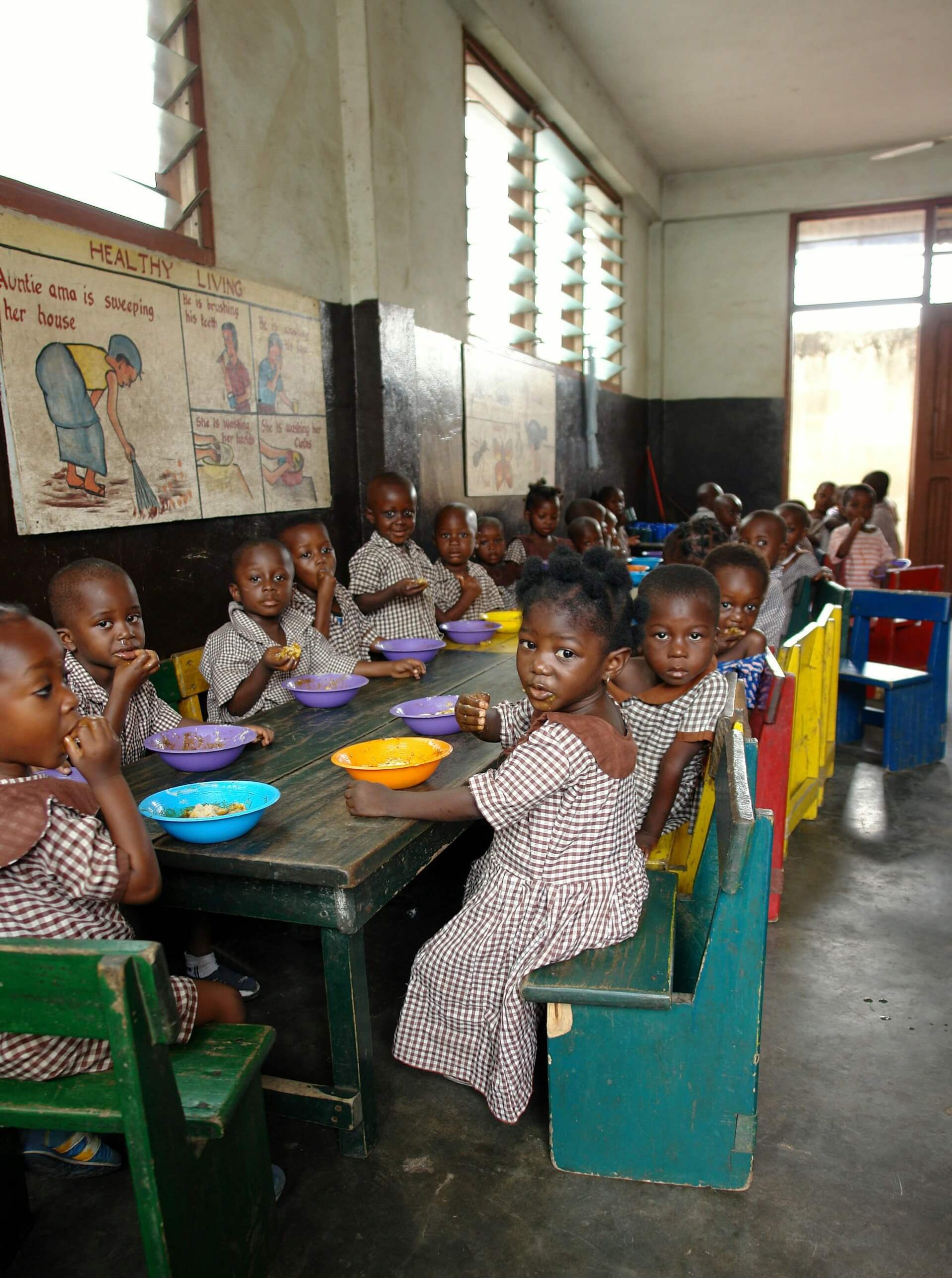
In the Sahel, 3 million children risk famine. What you can do.
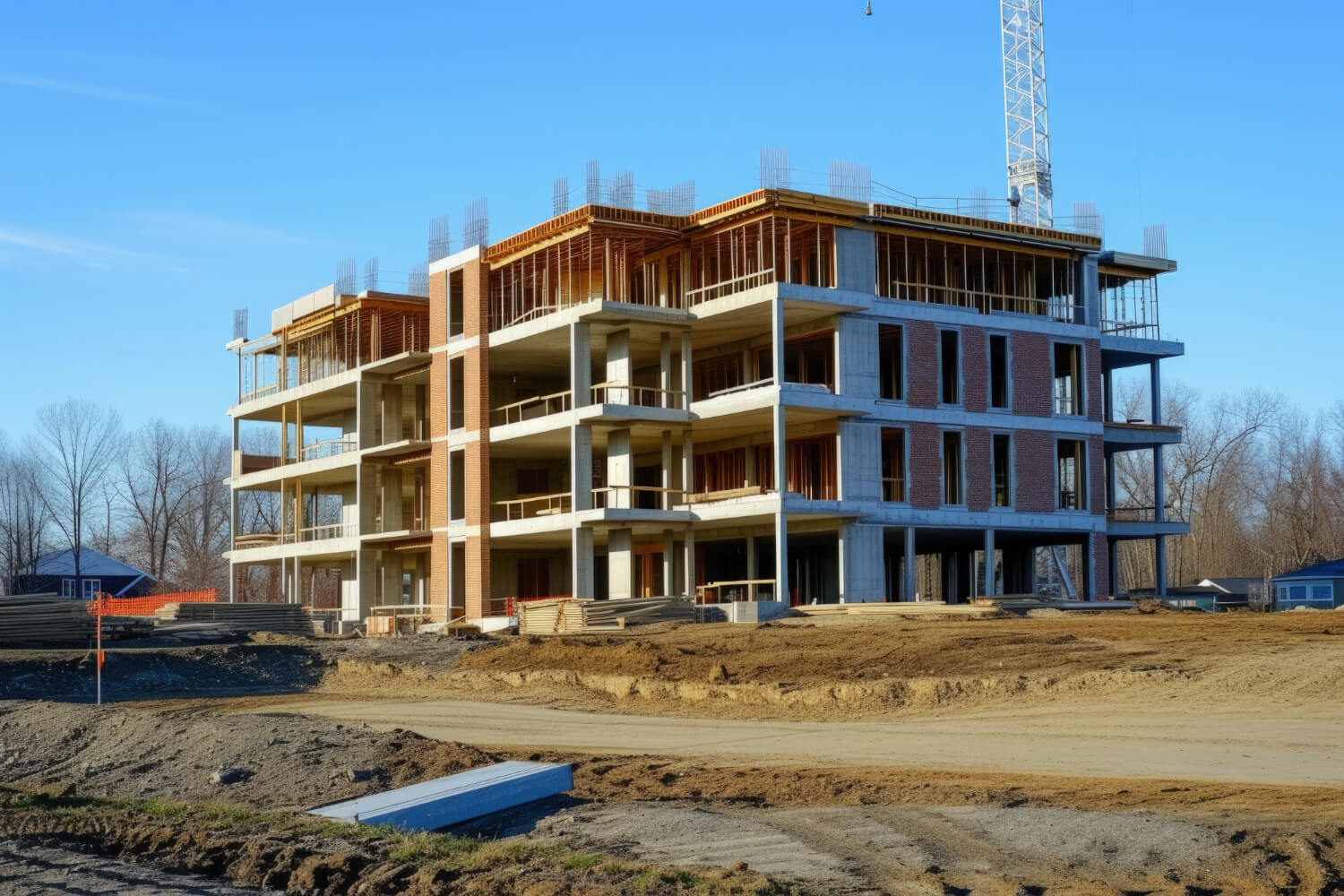
When you build a school in Cameroon, you change an entire generation.

Zakat 2025: how to calculate, what to choose and maximise your impact.

2024 Impact Report: where every euro of your donations went — with proof.
Take Action
Amina deserves clean water.
Your donation makes it possible.
You just read Amina’s story. Hawa’s. Karim’s. These are not exceptions — they are millions of real people waiting, today, for the world to notice them.
You can give them clean water. Now. In less than 60 seconds. For as little as €15.
Stripe · PayPal · Mobile Money. Zero banking data storage. Full impact report.
Sharia certified by a council of scholars. Your intention is honoured and documented.
501(c)(3) registered. Tax deductible in France, Europe and USA. Receipt in 30 seconds by email.
One of the lowest overhead ratios in the sector. Verified by Charity Navigator, 4 stars.
Your Donation · Real Impact
Secure · Sharia certified · Immediate tax receipt